

Have you ever seen an online ad, visited a website, compared a few options, and eventually decided to buy something? That simple journey involves several connected marketing activities working behind the scenes. But how does digital marketing work when all these activities need to work together? It is much more than posting on social media or paying for advertisements. Digital marketing combines audience research, clear goals, content, SEO, social media, email, paid advertising, websites, and analytics to guide people toward a specific action.
Businesses use this process to reach people who are likely to need their products or services, build awareness, earn trust, and turn interest into measurable results. Someone might first discover a brand through Google, see its content on social media later, visit its website, join an email list, and eventually become a customer. Each interaction can play a different role in that journey.
In this guide, you will learn how the complete digital marketing process works, why businesses use it, how they identify and reach the right audience, how different channels work together, and how results are measured and improved. By the end, you will have a practical understanding of how a person can move from discovering a business online to taking meaningful action.
Why Do Businesses Use Digital Marketing?
Businesses use digital marketing because it provides a practical way to reach potential customers where they already spend time online. Instead of communicating with a broad audience without knowing who is interested, businesses can create campaigns around specific audiences, needs, locations, interests, and behaviours.

Another important reason is measurable performance. A business can monitor how many people viewed an advertisement, visited a website, signed up for an offer, contacted the company, or completed a purchase. This information gives marketers a clearer understanding of how their efforts are performing.
Consider a small clothing business running an online campaign. The business may discover that one audience responds well to short videos while another responds better to product guides or promotional emails. Instead of continuing with the same approach, the business can use the available data to adjust its campaigns.
Digital marketing can also support long-term brand visibility. Consistent content, helpful information, search visibility, and social media activity can help people become familiar with a business before they are ready to buy.
Ultimately, businesses use digital marketing to achieve different objectives, including increasing awareness, generating website traffic, collecting leads, increasing sales, encouraging repeat purchases, and building stronger customer relationships.
What Does Digital Marketing Actually Do?
Digital marketing connects different activities to guide people through a series of interactions with a business. It can create awareness, generate interest, encourage engagement, collect leads, support purchasing decisions, and maintain communication after someone becomes a customer.
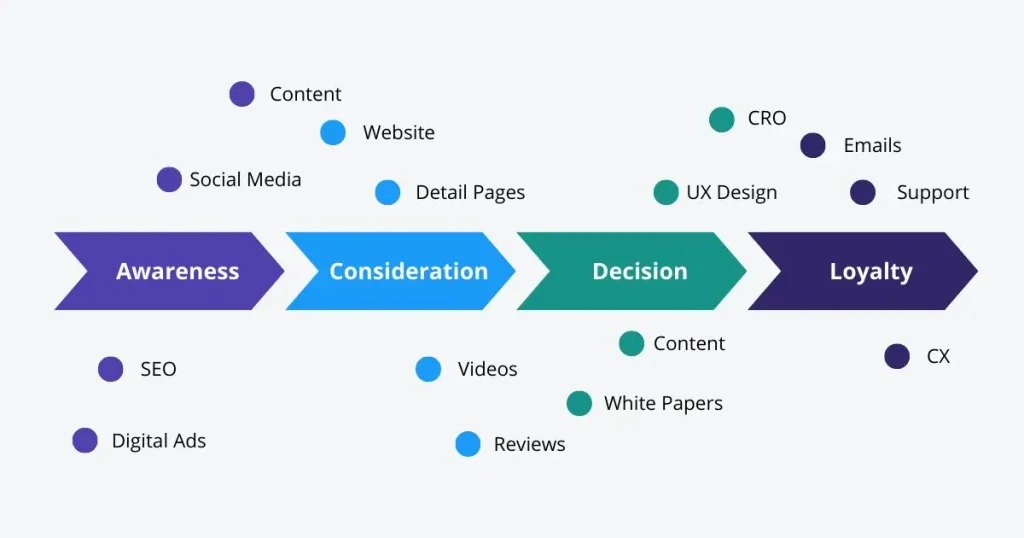
The process often begins with visibility. A person may discover a business through a Google search, social media post, video, online advertisement, or recommendation. Once the person becomes aware of the business, useful content, clear messaging, and a good website can encourage them to learn more.
For example, a software company might publish an article answering a common problem. A potential customer finds that article through search, reads more about the problem, explores the company’s product, and eventually starts a free trial. The original article did not necessarily produce an immediate sale, but it created an opportunity for further engagement.
Digital marketing also creates smaller actions along the way. A website visit, social media follow, email signup, product-page visit, consultation request, or free trial can all represent progress toward a larger goal.
Behind these activities, analytics provides feedback. Businesses can identify where people are coming from, what they interact with, where they leave, and which actions lead to valuable outcomes. This makes digital marketing a continuous system of attracting, engaging, converting, and improving, rather than a single advertising activity.
How Does Digital Marketing Reach the Right Audience?
Digital marketing reaches the right audience by combining audience information with channels and messages that match where people spend time online. The goal is not simply to reach as many people as possible. It is to reach people who are relevant to the business and more likely to respond.
This can involve information such as location, interests, search behaviour, previous interactions, purchase history, or engagement with a business. Different channels can then be used for different situations.

Someone actively searching for a solution on Google may be reached through SEO or search advertising. Someone casually browsing social media may discover a brand through an organic post, short video, or paid advertisement. Someone who has already subscribed to a newsletter can be reached through email.
Audience targeting is particularly useful in paid campaigns because businesses can define who should see an advertisement according to available targeting options. Retargeting can also reconnect with people who previously visited a website or interacted with a business but did not complete the desired action.
The important point is that every channel has a different role. Search can capture existing demand, social media can create awareness and engagement, content can answer questions, and email can maintain communication. When these activities are coordinated, businesses can reach people at different stages of their decision-making process.
How Do Businesses Identify Their Target Audience?
Before creating campaigns, businesses need to understand who they are trying to reach. This starts with identifying the characteristics, needs, problems, interests, and behaviour of potential customers.
One common approach is creating a buyer persona. This is a simplified representation of an ideal customer based on available information. Depending on the business, it might include factors such as age range, location, interests, challenges, purchasing habits, and preferred communication channels.

Businesses can collect this information from several sources. Website analytics can show where visitors come from and what they do. Social media insights can reveal audience demographics and engagement patterns. Customer surveys and conversations can provide information about problems and preferences that numbers alone may not reveal.
Existing customers can also provide valuable clues. If a business notices that a particular customer group generates more sales or responds strongly to a certain type of content, that information can influence future campaigns.
Competitor research can provide additional context by showing how similar businesses communicate with their audiences and what types of offers or content they use.
Audience research is not a one-time activity. As a business collects more information, it can refine its understanding of its customers and make its marketing decisions more relevant.
How Does Market Research Help Digital Marketing?
Market research helps businesses make marketing decisions based on evidence rather than assumptions. Before launching a campaign, a business can study its customers, competitors, industry conditions, search behaviour, and existing demand.
Audience research focuses on the people a business wants to reach. It can reveal common questions, problems, preferences, and language customers use when describing what they need. This information can influence content, messaging, keywords, and offers.
Market research looks more broadly at the competitive environment. A business may examine competitor websites, pricing, customer reviews, product positioning, and the types of content competitors publish. This can reveal gaps or opportunities that the business can address.

Keyword research is another important part of this process. It helps businesses understand what people search for and how they express their needs online. For example, someone searching for “best running shoes for beginners” may have a different level of buying intent from someone searching for “how to start running.”
Customer surveys, social listening, analytics platforms, and research tools can all contribute useful information.
The purpose is not to collect data simply for the sake of having it. The goal is to turn research into better decisions about audiences, topics, channels, offers, and messaging. Strong research gives the rest of the digital marketing process a more reliable foundation.
How Do Businesses Set Digital Marketing Goals?
Once a business understands its audience and market, it needs to decide what it wants its digital marketing efforts to accomplish. Without clear goals, a campaign can generate plenty of activity without producing meaningful business results.
A goal should describe a measurable outcome. Instead of saying “get more customers,” a business might aim to generate a specific number of qualified leads, increase website traffic by a certain percentage, improve online sales, or increase the number of people signing up for a service.

Many businesses use the SMART goals framework, which encourages objectives to be specific, measurable, achievable, relevant, and time bound. This gives marketers a clearer benchmark for evaluating performance.
Goals can also change depending on the business and its stage of growth. A new company may focus heavily on brand awareness and visibility. A growing company may prioritize lead generation and sales. An established business may focus on customer retention, repeat purchases, or reducing acquisition costs.
These goals influence nearly every decision that follows. They help determine which channels deserve attention, what content should be created, how budgets should be allocated, and which metrics should be monitored.
For example, if the main goal is lead generation, a business may prioritize landing pages, forms, lead magnets, and email campaigns. If the goal is direct sales, product pages, shopping experiences, paid campaigns, and conversion optimization may receive greater attention.
How Does a Digital Marketing Strategy Work?
A digital marketing strategy connects business goals, audience insights, channels, content, budgets, and measurement into one organized plan. Instead of randomly publishing content or launching advertisements, businesses use a strategy to determine what they want to achieve and how each activity contributes to that objective.
The strategy often begins with the customer journey. Marketers consider what a person needs when they first discover a brand, what information they need while comparing options, and what might encourage them to act.
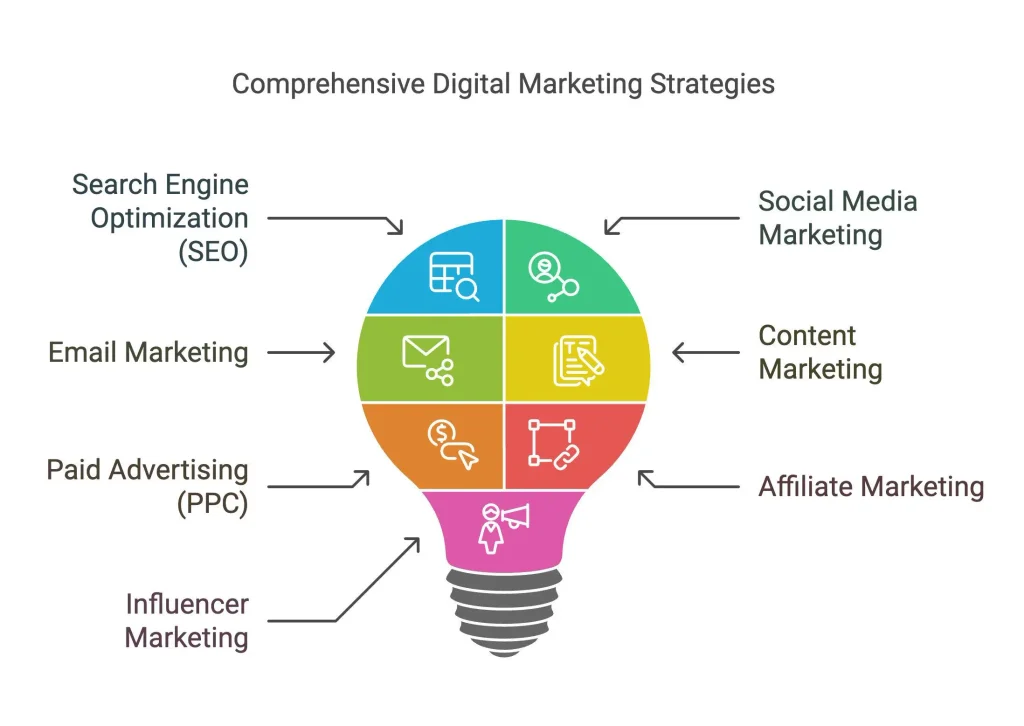
For example, a local gym might attract people through helpful fitness articles and search visibility. Social media could then demonstrate the gym’s environment and expertise. Interested visitors might be encouraged to join an email list, receive useful information, and eventually book a membership or consultation.
Budget planning is another part of strategy. Businesses may decide how much effort to put into organic channels such as SEO and content and how much to spend on paid channels such as search and social advertising.
A strategy can also define timelines, responsibilities, campaigns, content formats, and expected outcomes.
The key is coordination. SEO, content, social media, email, advertising, and the website should not operate as separate activities. When they support one another, the overall customer experience becomes more consistent and easier to measure.
How Does Content Attract Potential Customers?
Content gives businesses a way to attract people by providing useful information before asking them to make a purchase. It can take many forms, including blog posts, videos, guides, case studies, social media posts, podcasts, emails, and infographics.
For example, a home renovation company could publish an article explaining how to choose flooring for different rooms. Someone researching flooring options may discover the article through a search engine. That visitor may then explore the company’s services, view examples of previous projects, or request a consultation.

This works because people often go online looking for answers, information, entertainment, or solutions. Helpful content can meet that need while introducing them to a business.
Content also supports other marketing channels. Blog content can provide material for SEO and social media. A useful guide can become an email lead magnet. A video can be shared across several platforms. A case study can help a potential customer evaluate a service.
The most effective content is generally connected to the audience’s needs and the business’s objectives. It should provide genuine value rather than simply repeat promotional messages.
Over time, consistent content can contribute to brand awareness, search visibility, engagement, and trust while creating more opportunities for people to move deeper into the customer journey.
How Do SEO and Search Engines Bring Visitors?
SEO, or search engine optimization, helps businesses improve the visibility of their websites in search results when people look for relevant information, products, or services.
The process begins with understanding what potential customers search for. Businesses conduct keyword research and create useful pages around topics that are relevant to their audience. They may optimize page titles, headings, content structure, internal links, images, and other elements of their websites. For more guidance, see Google’s SEO Starter Guide.

Search visibility also depends on the overall quality and usability of a website. Factors such as mobile usability, page experience, helpful content, and the site’s broader authority can influence how search engines evaluate pages.
For example, a plumbing company might create a useful service page around emergency plumbing and supporting content that answers common plumbing questions. Someone searching for a relevant problem could discover the business through those pages.
Unlike paid advertising, SEO does not require paying for every individual organic visit. However, it usually takes time to develop visibility, and results can vary depending on competition, topic, website quality, and search demand.
SEO works particularly well with content marketing because useful content gives search engines relevant pages to discover and gives users information that can answer their questions.
The larger goal is to attract people who already have a relevant need and make it easy for them to discover and explore the business.
How Do Social Media and Online Ads Reach Customers?
Social media and online advertising allow businesses to reach people through platforms where they spend time consuming content, communicating, searching, and discovering products or services.
Organic social media focuses on publishing content and building relationships without directly paying for every impression. Businesses can share educational posts, product demonstrations, customer stories, short videos, updates, and other content designed to encourage engagement.
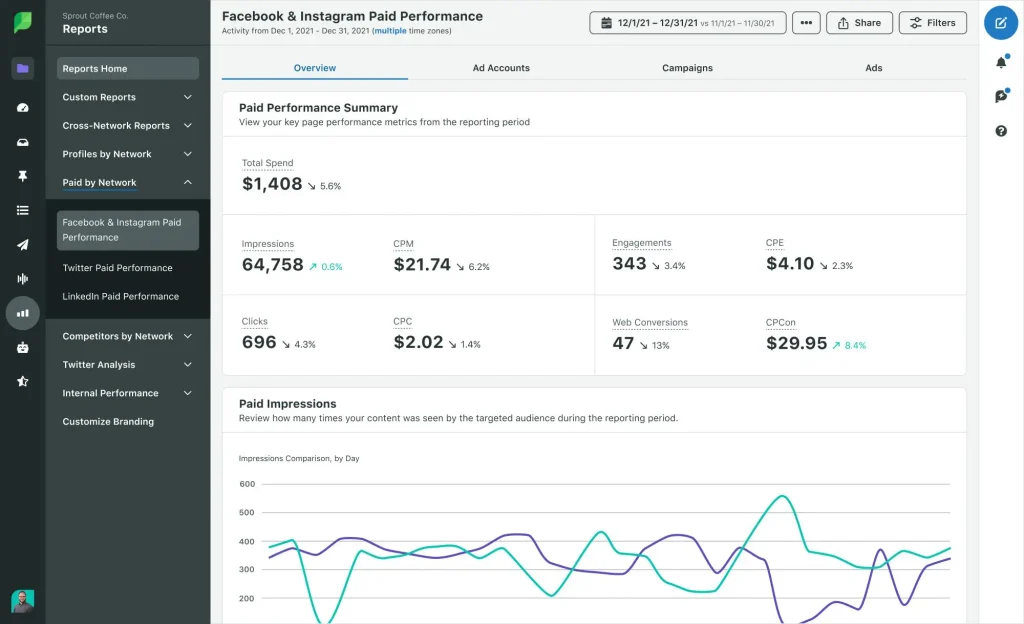
Paid advertising works differently. Businesses pay platforms to distribute advertisements to selected audiences according to available targeting options. This can help a company reach specific groups without waiting for them to discover its organic content.
For example, a local restaurant could use social media to share food photography and customer experiences while using paid advertising to reach people within a selected geographic area. The organic content can build familiarity while the paid campaign can expand reach.
Retargeting adds another layer. A person who visits a website but leaves without buying may later see an advertisement reminding them about the business or product.
Social media and paid advertising can therefore perform different but complementary roles. Social media can build community and ongoing visibility, while advertising can increase reach and support specific campaigns.
The effectiveness of either approach depends on factors such as audience relevance, creative quality, offer, landing-page experience, budget, and measurement.
How Does Email Marketing Help Convert Leads?
Email marketing allows businesses to maintain direct communication with people who have already shown interest, such as newsletter subscribers, leads, or existing customers.
Unlike a social media post that competes with many other pieces of content in a feed, an email is delivered directly to a subscriber’s inbox. This makes email useful for continuing conversations after the initial interaction.
For example, an online course creator might offer a free guide to someone interested in a particular subject. After the person signs up, the business can send a series of useful emails explaining the topic, answering common questions, and eventually introducing a relevant paid course.

Email automation can make this process more efficient. Businesses can create sequences that respond to actions such as signing up for a newsletter, downloading a resource, purchasing a product, or abandoning a shopping cart.
Segmentation allows businesses to make those messages more relevant. New subscribers may receive introductory information, while existing customers may receive product recommendations, loyalty offers, or updates related to previous purchases.
Email marketing is therefore not only about sending promotional messages. It can educate leads, build relationships, support customer retention, and guide people toward a decision.
When email relates to website behaviour and other marketing channels, it becomes an important part of the broader customer journey rather than an isolated communication method.
How Does a Website Turn Visitors into Customers?
A website often acts as the central destination for digital marketing activity. People may arrive through search engines, social media, advertisements, emails, or direct visits, but the website is frequently where they decide what to do next.
A good website makes that decision easier by providing clear information, simple navigation, useful content, fast access to important pages, and obvious next steps.
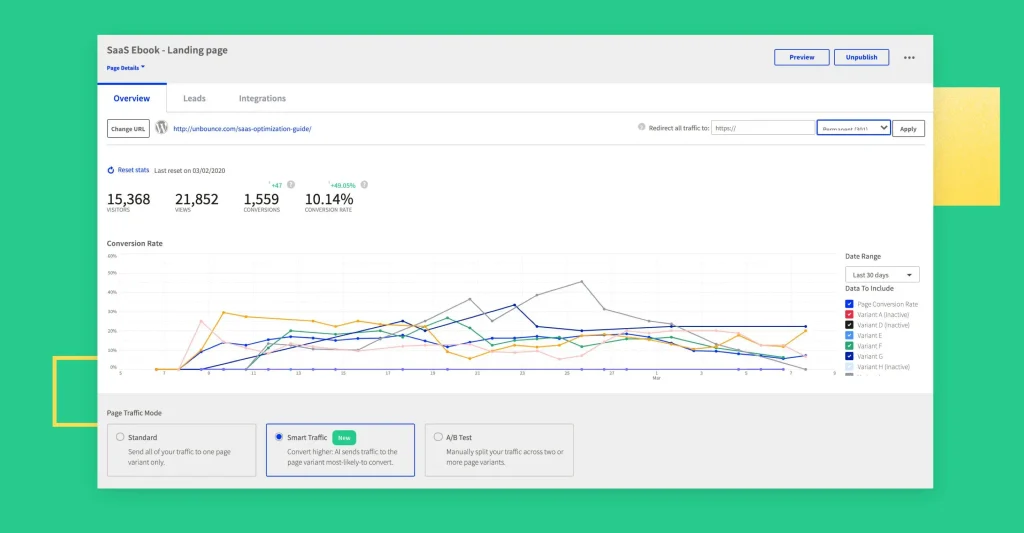
The next step is often represented by a call to action, such as “Buy Now,” “Book a Consultation,” “Request a Quote,” “Start a Free Trial,” or “Sign Up.” The appropriate action depends on the business goal.
For example, a dentist may create a landing page that explains a service, displays reviews, answers common questions, and provides a simple appointment form. A visitor who arrives from an advertisement can understand the offer and act without navigating through unnecessary pages.
Trust also matters. Reviews, testimonials, transparent pricing, professional design, clear contact information, and helpful product details can reduce uncertainty.
The website should also provide a smooth experience on mobile devices because many visitors access businesses through smartphones.
Ultimately, the website’s role is not simply to look professional. It should guide visitors toward a useful action while making the process easy and trustworthy.
How Do Businesses Measure Digital Marketing Results?
Measurement allows businesses to understand whether their digital marketing activities are producing the outcomes they want. Instead of judging a campaign only by likes, views, or followers, marketers connect performance data to specific business objectives.
Common measurements can include website traffic, leads, conversion rate, customer acquisition cost, email engagement, sales, and return on advertising spend. The right metrics depend on the campaign’s goal.
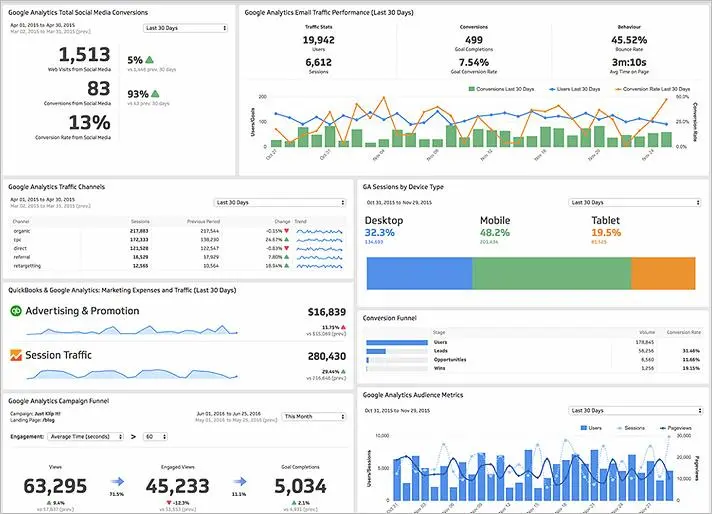
For example, if an online store is running a paid social campaign, the business may track how many people clicked the advertisement, how many reached the product page, how many added the product to their cart, and how many completed a purchase.
Tools such as analytics platforms, advertising dashboards, social media insights, and email reporting systems can provide this information.
Measurement can also reveal problems in the customer journey. A campaign may generate many clicks but very few conversions. That could indicate an issue with the landing page, offer, messaging, checkout process, or audience targeting rather than the advertisement itself.
Key performance indicators help businesses compare actual results with their original goals.
The important point is that measurement should lead to action. Data becomes useful when businesses use it to identify opportunities, fix problems, allocate resources, and make better marketing decisions.
How Do Businesses Improve Digital Marketing Performance?
Digital marketing does not end when a campaign is launched. Businesses continuously analyse results, identify weak points, test alternatives, and adjust based on what they learn.
Suppose an online store receives plenty of visitors but has a high cart-abandonment rate. Instead of simply increasing advertising spend, the business might investigate the checkout process, shipping costs, page speed, payment options, or unexpected fees.
One useful method is A/B testing. A business can compare two versions of an advertisement, landing page, headline, email subject line, or call to action and evaluate which version produces better results under suitable testing conditions.
Performance improvement can also involve changing budgets. If one channel consistently produces valuable leads while another generates little meaningful activity, the business may reconsider how resources are distributed.

Customer feedback adds another layer. Analytics can show where users leave a website, but direct feedback can sometimes explain why they leave.
The process therefore becomes a continuous cycle:
Plan → Launch → Measure → Analyse → Test → Improve → Repeat
Customer behaviour, technology, competition, and market conditions can change over time, so a strategy that worked previously may need adjustment.
The goal is not to make every campaign perfect immediately. It is to create a system where businesses can learn from real results and gradually improve their targeting, content, customer experience, and conversion process.
Conclusion
Digital marketing works as a connected process rather than a single activity. Businesses first understand their target audience, define clear goals, and research the market before choosing the channels and strategies they need. From there, content, SEO, social media, online advertising, email marketing, and websites work together to attract people, build interest, generate leads, and encourage conversions.
The process does not end when someone becomes a customer. Businesses continue measuring performance, studying customer behavior, testing different approaches, and improving their campaigns based on real results. This ongoing cycle helps them understand what is working, where potential customers are being lost, and where future opportunities exist.
The most important thing to understand is that digital marketing is not about using every online channel at once. It is about choosing the right channels for a specific audience and business goal, connecting those channels effectively, and using data to make better decisions over time.
Once you understand this process, digital marketing becomes much easier to understand. Whether a business wants more visibility, website traffic, leads, sales, or stronger customer relationships, the same basic journey applies: reach the right people, provide value, encourage action, measure the results, and improve the process.
Frequently Asked Question
How does digital marketing work for a business?
Digital marketing works by helping a business reach its target audience through online channels such as search engines, social media, websites, email, content, and paid advertising. These channels work together to create awareness, generate interest, attract visitors, produce leads, and encourage customers to take action.
Why is digital marketing important for businesses?
Digital marketing helps businesses reach relevant audiences online, build visibility, communicate with potential customers, and measure campaign performance. It can also help businesses understand customer behavior and improve their marketing decisions using data.
What are the main steps of digital marketing?
The main steps include identifying the target audience, researching the market, setting goals, developing a strategy, creating useful content, selecting appropriate channels, attracting visitors, converting leads, measuring results, and continuously improving performance.
How does SEO work as part of digital marketing?
SEO helps businesses improve their website’s visibility in search engine results for relevant searches. By creating useful content, targeting relevant search terms, and improving website quality and usability, businesses can attract people who are already searching for related information, products, or services.
How do businesses know if digital marketing is working?
Businesses measure digital marketing through metrics related to their goals, such as website traffic, leads, conversion rates, sales, customer acquisition costs, email engagement, and advertising returns. These results help marketers identify what is performing well and where improvements are needed.