

Ever wondered what actually happens behind the scenes when you buy a coffee, order shoes online, or hire a plumber? Every one of those simple moments is the result of a business carrying out a series of connected activities. From finding a customer need to creating a product, making a sale, paying expenses, and earning a profit, businesses follow processes that keep everything moving.
At its core, a business usually begins when someone identifies a problem worth solving, a need worth meeting, or an opportunity worth pursuing. People start businesses for many reasons, including earning income, achieving independence, building something of their own, or turning a useful idea into a real product or service. However, having an idea alone is not enough. A business needs customers who see value in what it offers.
The basic process is straightforward: a business understands what customers need, creates a product or service, reaches potential customers through marketing, makes sales, earns revenue, manages expenses, and aims to generate profit. That profit can then be reinvested to improve operations and support future growth.
In this guide, we’ll break down how does a business work step by step, from starting an idea to finding customers, making money, managing daily operations, and expanding over time.
Why Do People Start a Business?
People start a business for many different reasons, but many businesses begin with a problem they want to solve, an opportunity they have identified, or a skill they want to turn into income. Someone may notice that customers in their area cannot easily find a particular product. Another person may have a professional skill, such as photography, programming, writing, or graphic design, and decide to offer that skill as a service.

Financial independence is another common motivation. A business can provide an opportunity to generate income based on sales, services, and growth rather than relying only on a fixed salary. However, business ownership also involves uncertainty, financial risk, and responsibility, so the potential for higher income comes with the need for careful planning.
Some people are motivated by freedom and flexibility. They may want greater control over their schedule, working environment, or the type of work they perform. Others want to build a long-term company that can employ people, serve a community, or eventually be passed to another generation.
Passion can also play a role. A photographer who enjoys capturing weddings, a baker who loves creating desserts, or a developer who enjoys building applications may discover an opportunity to turn that interest into a commercial activity.
Ultimately, starting a business usually involves recognizing an opportunity and deciding that it is worth pursuing despite the challenges involved.
What Is the Main Purpose of a Business?
The main purpose of a business is generally to create and deliver value to customers while generating enough revenue to support its operations and remain financially sustainable. Businesses achieve this by offering products or services that customers consider useful enough to purchase.
For example, a grocery store provides convenient access to food and household products. A software company may help businesses manage their finances, communicate with employees, or organize customer information. A plumbing company solves practical problems that customers may not have the skills or equipment to handle themselves.
Customers are therefore central to the business process. Without people willing to purchase what a business offers, there is no sustainable source of revenue. This is why businesses continually study customer needs, improve their products, and work to provide a satisfactory experience.
Profit is also important because businesses need financial resources to pay employees, purchase supplies, maintain equipment, invest in marketing, develop new products, and continue operating. A business that consistently spends more than it earns eventually faces financial difficulties.
Beyond revenue and profit, businesses can also create jobs, introduce new technology, support communities, and build long-term value for their owners or investors.
In simple terms, a business works by creating value for customers and capturing enough of that value through sales to sustain its activities and pursue future growth.
How Does a Business Start?
A business usually starts with an idea or opportunity, but turning that idea into an operating company requires several practical steps. The first step is often identifying a problem, customer need, or market opportunity that could potentially support a product or service.
The next step is market research. Before investing significant money, a founder needs to understand potential customers, competitors, pricing, demand, and market conditions. This research helps determine whether people are actually interested in the proposed product or service.

After researching the opportunity, the founder can develop a business plan or operating plan. This typically explains what the business will offer, who its customers are, how it expects to generate revenue, what resources it needs, and how it will operate.
Funding may then become necessary. Depending on the business, startup capital can come from personal savings, loans, investors, partners, or other sources. A food truck, for example, may need money for equipment, permits, ingredients, insurance, transportation, and initial marketing before it generates consistent sales.
The founder also needs to handle the appropriate legal and administrative requirements, which can include choosing a business structure, registering the business, obtaining licenses, and setting up financial records.
Finally, the business builds its infrastructure. It may secure a location, purchase equipment, hire employees, establish suppliers, create a website, and prepare systems for serving customers.
Once these pieces are ready, the business can launch and begin operating.
How Does a Business Identify Customer Needs?
Understanding what customers actually need or want is one of the most important parts of building a business. A company can have an excellent product, but if that product does not solve a meaningful customer problem, generating consistent sales can be difficult.
Businesses use market research to understand customer needs. This can involve surveys, interviews, customer reviews, industry research, online discussions, and direct conversations with potential buyers. These methods help businesses discover common problems, preferences, expectations, and purchasing behavior.

Observing how customers behave can provide another valuable source of information. A retailer may examine which products sell quickly and which remain on shelves. An app developer may analyze which features users interact with most frequently and where users stop using the application.
Businesses also study competitors. If several competing companies serve experienced customers but largely ignore beginners, that gap may represent an opportunity. A new business could design its product, pricing, and communication specifically for beginners.
Customer feedback is equally important after a product launches. Reviews, complaints, support requests, and suggestions can reveal problems that were not obvious during development.
Testing an idea on a smaller scale can reduce risk. Businesses may use prototypes, pilot programs, sample products, or minimum viable products before investing heavily.
Customer needs also change over time. Successful businesses therefore treat customer research as an ongoing process, not something they complete only once before launching.
How Does a Business Create Products or Services?
After identifying a customer need, a business must turn that information into a useful product or service. This stage is where an idea becomes something customers can actually receive and use.
For physical products, development may begin with research, design, and prototypes. A furniture company might design a chair, create a prototype, test its comfort and durability, adjust the design, and then arrange manufacturing. The business must also find reliable suppliers and determine how materials will be sourced.
Services require a somewhat different process. A consulting company, for example, needs to define what clients receive, how the service is delivered, how long it takes, and what outcomes customers can reasonably expect. Staff may also require training to ensure consistent service quality.
Technology companies often follow a product development process that includes planning, design, development, testing, and launch. A software startup may create a minimum viable product (MVP) with essential features and use customer feedback to improve it before developing more advanced functionality.
Businesses also need to consider quality control, pricing, reliability, and customer expectations during development. Creating something technically impressive is not enough if customers do not find it useful or affordable.
The ultimate goal is to create a product or service that solves a real problem, provides meaningful value, and gives customers a reason to pay for it.
How Does a Business Find Customers?
A business needs customers to generate sales, so finding the right audience is a central part of its operation. Even a high-quality product may struggle if the people who need it do not know that it exists.

Businesses usually begin by defining their target audience. This means identifying the group of people or organizations most likely to purchase the product or service. Depending on the business, this audience may be defined by factors such as location, industry, interests, purchasing behavior, or specific needs.
Market research helps businesses understand where these potential customers spend their time and how they make purchasing decisions. A local bakery might focus on nearby residents, while a business software company may target managers and business owners through professional networks.
Businesses can reach potential customers through search engines, social media, websites, email marketing, advertising, partnerships, events, referrals, and direct sales.
Word-of-mouth can also be extremely valuable. When customers have a positive experience, they may recommend the business to friends, family, colleagues, or other businesses.
Partnerships can expand reach as well. A fitness company might collaborate with a health-related business, while a software company could partner with another service that its customers already use.
The key is not simply reaching as many people as possible. Businesses need to reach the right people with a message that connects with their needs.
How Does a Business Market Its Products or Services?
Marketing is the process a business uses to communicate its value and attract potential customers. It helps people discover a product or service, understand what it offers, and decide whether it is relevant to them.
A business normally begins with a marketing strategy that identifies its target audience, positioning, key message, channels, and goals. The strategy helps the business avoid spending resources randomly and instead focus on activities that can reach the intended customers.
Content marketing is one common approach. Businesses may publish blog posts, videos, guides, social media posts, or educational content to answer customer questions and build awareness. A skincare company, for example, might publish educational content about different skincare concerns while introducing its products naturally.
Paid advertising can provide faster exposure. Businesses may advertise through search engines, social media platforms, websites, or other channels based on where their target audience is active.
Branding also matters. A consistent visual identity, message, tone, and customer experience can help a business become more recognizable.
Email marketing allows businesses to maintain relationships with people who have already shown interest. Businesses can send educational information, product updates, special offers, or reminders.
Marketing can also include public relations, partnerships, events, influencer collaborations, and community engagement.
The goal is not simply to generate attention. Effective marketing connects a business with people who have a genuine need for what it offers and moves them closer to becoming customers.
How Does a Business Sell Products or Services?
Sales are where customer interest is converted into an actual purchase or agreement. While the exact process differs between businesses, many follow a series of steps from finding potential buyers to completing transactions.
The process often begins with lead generation. A lead may come from a website form, advertisement, social media interaction, referral, phone call, email inquiry, or direct sales activity.

Businesses may then qualify leads to determine whether they are likely to need the product, have an appropriate budget, and be ready to make a purchasing decision. This is particularly important for businesses selling expensive products or services.
Next, the business presents its offer. This might involve a product page, demonstration, consultation, proposal, sales presentation, or conversation with a sales representative.
Customers may have questions or concerns about price, quality, timing, features, reliability, or suitability. Addressing these concerns clearly and honestly can help customers make an informed decision.
The final step is the transaction itself. The customer may complete an online checkout, sign a contract, pay an invoice, or purchase the product in a physical store.
However, the relationship does not necessarily end after the sale. Customer retention is important because satisfied customers may purchase again, subscribe to ongoing services, or recommend the business to others.
Therefore, sales are not simply about getting someone to buy once. They can be part of a longer customer relationship.
How Does a Business Make Money?
A business makes money by generating revenue from customers or other sources of commercial income. The exact way revenue is generated depends on the business model.
The simplest model is direct sales. A clothing store sells clothes, a restaurant sells meals, and a plumber charges customers for completed services. Customers make payments, and those payments contribute to the company’s revenue.
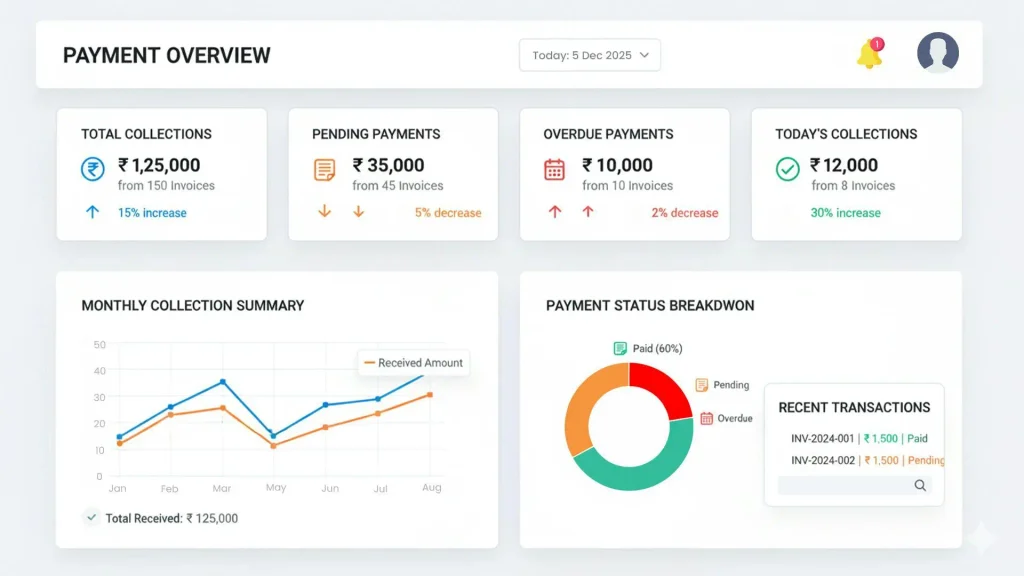
Other businesses use subscription models, where customers make recurring payments for continued access to a product or service. Software companies, streaming platforms, membership businesses, and online services commonly use this approach.
Some businesses earn money through commissions. Real estate agents, marketplaces, payment platforms, and other intermediaries may receive a percentage or fee when transactions occur.
Licensing is another model. A company may allow another organization to use its software, technology, brand, design, or intellectual property in exchange for licensing payments.
Some free digital platforms generate advertising revenue by selling advertising space or access to a particular audience.
A business may also use multiple revenue streams. For example, a gym could generate revenue from memberships, personal training, classes, and merchandise.
However, revenue alone does not mean a business is profitable. A company may generate substantial sales while also having very high costs. That is why businesses must understand both how money comes in and how money goes out.
What Are the Main Expenses of a Business?
Every business has expenses, and controlling those costs is essential for financial sustainability. Expenses vary significantly depending on the type and size of the business.
Fixed costs are expenses that generally remain relatively stable over a particular period. Examples can include rent, insurance, certain salaries, and some software subscriptions. A retail store may have the same monthly rent whether it sells 100 products or 500.

Variable costs change according to business activity. A bakery will spend more on ingredients when it produces more products. An online store may spend more on packaging and shipping as order volume increases.
Businesses also have operating expenses, which cover everyday activities such as utilities, marketing, software, office supplies, maintenance, and communication.
Employee-related costs can include salaries, benefits, payroll-related expenses, training, and other workforce costs. These expenses can become significant as a business expands.
Some businesses also have one-time expenses, such as purchasing machinery, renovating a location, or developing a website. Businesses that borrow money may also have loan repayments and financing costs.
Good expense management does not simply mean cutting every possible cost. Businesses need to control unnecessary spending while still investing enough in quality, customers, employees, technology, and growth.
The goal is to ensure that spending supports the business rather than consuming the revenue it generates.
How Does a Business Make a Profit?
Profit is the amount remaining after a business subtracts its expenses from its revenue. The basic relationship can be expressed simply:
Revenue − Expenses = Profit
For example, imagine a business generates $10,000 in revenue during a month and has $7,000 in total expenses. Its remaining profit would be $3,000 before considering any additional applicable items not included in that expense figure.

Businesses often look at different levels of profit. Gross profit generally focuses on revenue after subtracting the direct costs associated with producing goods or delivering services. This helps a business understand how efficiently it generates value from its core offering.
Net profit considers a broader range of expenses, such as operating costs, salaries, rent, marketing, interest, and taxes where applicable. It provides a clearer picture of what remains after the business’s costs have been accounted for.
Businesses can improve profitability by increasing revenue, improving pricing, increasing sales volume, reducing unnecessary costs, improving efficiency, or combining several of these approaches.
Profit margin is another important measurement. It shows how much of the revenue remains as profit after the relevant costs are considered.
Profit gives a business financial flexibility. It can be used to purchase equipment, hire employees, develop new products, increase marketing, build reserves, repay obligations, or support future expansion.
Consistent profitability therefore helps a business remain sustainable rather than simply generating sales.
How Does a Business Manage Its Daily Operations?
Daily operations are the routine activities that allow a business to deliver products, provide services, serve customers, manage employees, and maintain financial control.
For product-based businesses, inventory management is especially important. A grocery store needs enough products to meet customer demand without ordering so much that products expire or money becomes unnecessarily tied up in stock.

Employee management is another major operational responsibility. Businesses need to schedule workers, assign responsibilities, communicate expectations, and make sure important tasks are completed on time.
Financial administration also occurs continuously. Businesses track sales, record expenses, manage invoices, monitor cash flow, and make payments such as salaries and supplier bills. Accounting software can help automate and organize many of these tasks.
Customer service is another daily operation. Employees may answer questions, process returns, resolve complaints, provide technical support, or help customers choose suitable products.
Quality control ensures that products and services meet expected standards. If quality falls, customer satisfaction and the business’s reputation can suffer.
Technology increasingly supports operations through point-of-sale systems, accounting software, project management tools, inventory systems, scheduling platforms, and automation.
Strong operations create consistency. When processes are organized, a business can serve customers reliably and handle increasing demand without allowing everyday problems to disrupt the entire operation.
How Does a Business Grow and Expand?
Business growth occurs when a company increases its revenue, customer base, market presence, capacity, or overall scale. Growth can happen in several different ways, and businesses usually need to choose approaches that match their resources and market opportunities.
One common strategy is market expansion. A local restaurant, for example, may open another location in a nearby area. An online company may expand into another country or target a new customer segment.

Businesses can also grow through product diversification. A skincare company that originally sells facial products might introduce haircare products to serve existing customers with additional offerings.
Another approach is scaling operations. A business may invest in better equipment, technology, employees, suppliers, or systems so it can handle more customers without allowing quality to decline.
Strategic partnerships can provide access to new audiences, distribution networks, technology, or expertise. Partnerships may allow a business to grow without building every capability internally.
Reinvesting profits is another common way to support growth. Instead of taking all available profit out of the business, owners may use part of it for marketing, product development, hiring, technology, or additional inventory.
Digital channels can also create new opportunities. A traditional retailer may launch an e-commerce store, while a service business may begin serving customers remotely.
Sustainable growth requires more than increasing sales. Businesses need to ensure that operations, cash flow, quality, customer service, and profitability can keep up with expansion.
How Does a Business Work in Real Life?
The easiest way to understand a business is to follow a simple real-world example.
Imagine someone wants to start a small online clothing business. The process may begin when the founder notices that customers are looking for affordable clothing in a particular style. Before buying inventory, the founder researches competitors, prices, customer preferences, and demand.
Next, the business selects products and finds suppliers. It decides how much inventory to purchase and determines prices by considering product costs, shipping, marketing, operating expenses, and the value customers receive.
The business then creates a website or online store and begins marketing its products through social media, search engines, content, advertisements, or other channels.

A customer discovers the store, visits the website, chooses a product, and completes a purchase. The business receives revenue from that sale, but it also has expenses such as product costs, packaging, shipping, payment processing, advertising, software, and other operating costs.
If the revenue remaining after expenses is positive, the business has generated a profit. The owner may use part of that profit to purchase more inventory, improve the website, run additional marketing campaigns, or introduce new products.
As demand increases, the business may hire employees, work with additional suppliers, expand its product range, or enter new markets.
This example shows the complete cycle:
Customer Need → Product → Marketing → Customer → Sale → Revenue → Expenses → Profit → Reinvestment → Growth
That cycle is at the heart of how many businesses operate, even though the details vary by industry.
What Happens When a Business Is Not Profitable?
Not every business is profitable all the time. A new company may experience losses during its early stages because it has startup expenses before it develops a stable customer base. Established businesses can also become unprofitable because of falling demand, rising costs, competition, operational problems, or changes in the market.
One important warning sign is negative cash flow, where more money is leaving the business than entering it during a particular period. A business may then need to use savings, delay payments, borrow money, or find additional funding to continue operating.
The next step is often a detailed cost and performance analysis. Management may examine which products are profitable, where unnecessary spending occurs, and whether pricing reflects current costs.
Some businesses respond by reducing unnecessary expenses, improving efficiency, changing pricing, or removing products that consistently perform poorly.

Others may pivot, which means changing their product, target market, distribution method, or broader business model in response to market conditions.
Additional funding from investors, loans, or other sources can provide temporary financial support, but funding alone does not necessarily solve an underlying profitability problem.
If financial difficulties continue, a business may need to downsize, close locations, sell assets, restructure debts, or, in severe circumstances, enter bankruptcy proceedings.
However, a period of losses does not automatically mean a business will fail. The outcome depends on the reasons for the losses, available resources, market conditions, and the changes management makes in response.
Conclusion
Understanding how does a business work becomes much easier when you look at it as a connected process rather than a single activity. A business usually begins with a problem, customer need, skill, or opportunity. It then develops a product or service that provides value, identifies potential customers, markets its offer, and converts interest into sales.
Once customers make purchases, the business generates revenue, but revenue is only one part of the picture. The business must also manage expenses, employees, suppliers, technology, customer service, inventory, and other daily operations. After covering its costs, the remaining amount may become profit, which can be used to strengthen the business and support future growth.
The process continues as the business learns from customers, improves its products, manages its finances, and responds to changing market conditions. Some businesses remain small and serve a local market, while others expand into national or global markets.
In simple terms, a business works by creating value, delivering that value to customers, generating revenue, managing costs, and using its resources to remain sustainable and grow over time.
Frequently Asked Questions About How a Business Works
How does a business work step by step?
A typical business process starts by identifying a customer need or opportunity. The business develops a product or service, finds customers, markets the offer, makes sales, generates revenue, pays expenses, and aims to produce profit. It can then reinvest resources into operations and growth.
How does a business make money?
A business makes money by generating revenue through activities such as selling products, providing services, subscriptions, commissions, licensing, advertising, or other revenue models. Whether the business actually makes a profit depends on how much revenue remains after its expenses.
What is the difference between revenue and profit?
Revenue is the money a business generates from its sales or other income sources. Profit is what remains after the relevant business expenses have been deducted from revenue. A company can therefore have high revenue while still having low or negative profit.
How does a small business operate?
A small business usually combines several functions that may be handled by the owner or a small team. These can include product development, marketing, sales, customer service, finance, purchasing, and daily operations. As the business grows, these responsibilities may be divided among specialized employees.
How does a business grow?
A business can grow by attracting more customers, increasing sales, introducing new products, entering new markets, improving efficiency, expanding online, forming partnerships, or reinvesting profits. Sustainable growth requires the business to maintain sufficient operational capacity, cash flow, and quality as demand increases.